What Does Malossol Mean?
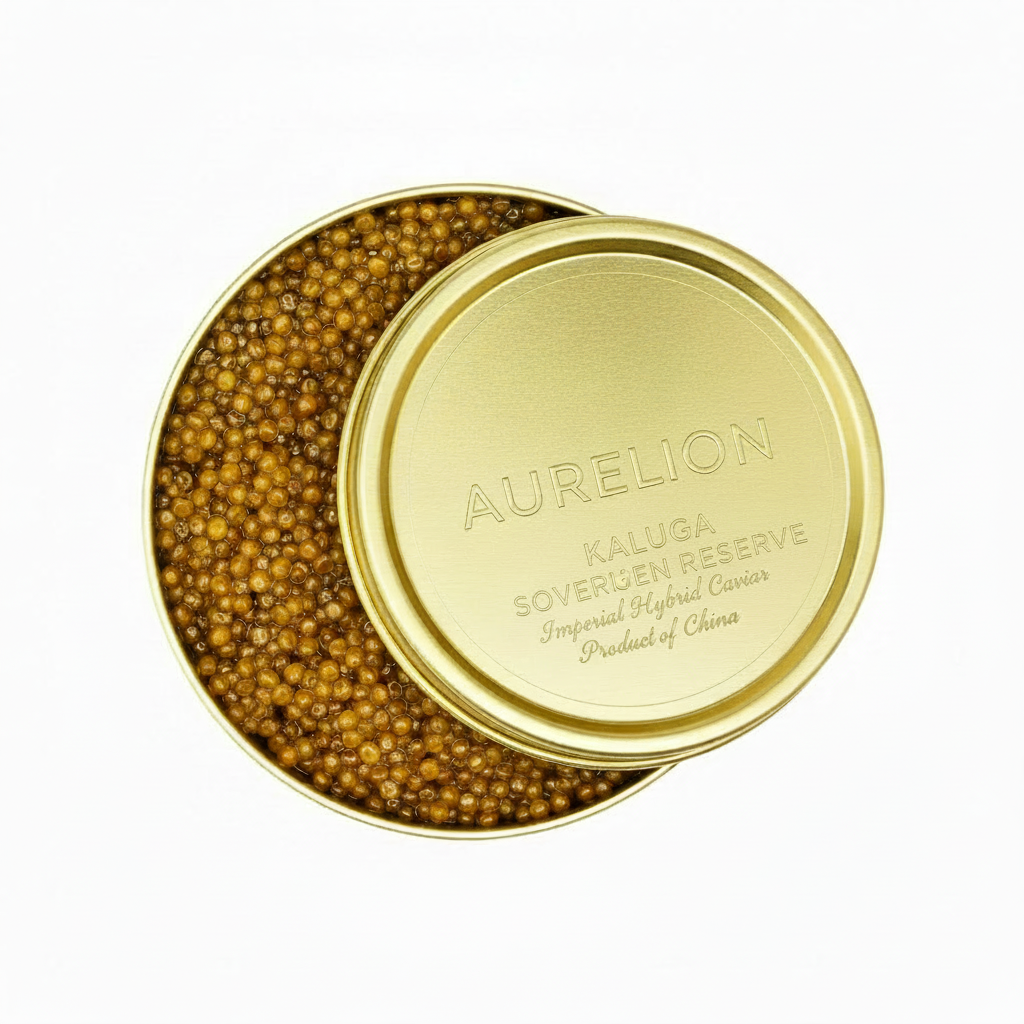
Malossol describes the cure
Malossol describes a low-salt cure for sturgeon roe, typically using 3–5% salt by weight to preserve the eggs while keeping their natural flavour and texture prominent. It is a curing method, not a species or a universal quality grade.
Species identifies the fish that produced the eggs; the cure describes how the roe is processed. Osetra, Siberian, White Sturgeon and Kaluga hybrid retain their different grain sizes, textures and flavours under a light salt cure. Read the species and country of origin alongside the curing method to understand the caviar inside the tin.
Low salt still requires precise handling
Fine salt is applied by hand to the roe at 3–5% by weight. Salt concentration, mixing duration and temperature influence the final balance and shelf life. Fresh malossol is uncooked roe preserved with salt, not heat. Our fresh products are not heat-treated. What Is Caviar? follows the production sequence from maturation and harvest through rinsing, curing, grading and packing.
A low-salt cure requires suitable base roe, precise temperature control during processing and refrigeration throughout the supply chain. Store fresh malossol caviar at 28–32°F (-2 to 0°C), in the coldest part of the refrigerator. Keep the sealed tin closed until service and check its printed best-by date. Temperature control continues after the cure is complete.
Curing methods within the Aurelion selections
Our Nero Pearl is Italian White Sturgeon with a traditional Italian malossol cure and precise temperature control. Large creamy pearls carry buttery richness and mild salinity. Kaluga Sovereign Reserve uses a delicate malossol cure with extended maturation to enhance natural buttery sweetness. Its extra-large grains have sweet brine, a nutty undertone and a long creamy finish.
Obsidian Siberian receives a light salt cure that emphasises its natural mineral character. Reserve Osetra uses a traditional German dry salt cure under precise temperature control. Obsidian has a silky, balanced mouthfeel and a lingering nutty finish; Reserve Osetra has a semi-firm texture and nutty-fruity notes. The cure supports each selection’s own character rather than making them taste alike.
A curing term is not a universal grade
Imperial, Royal and Reserve are producer-specific terms, not a single international classification system. Assess egg size within its species, then consider colour consistency, membrane integrity, clean aroma, balanced salinity and the length of the finish. Those qualities give substance to a tasting. Caviar Grading Systems explains the criteria and the distinctions between curing terms and selected-lot labels.
Salt should support the roe’s natural flavour without dominating it. A layered tasting begins with brine, moves into a central buttery, nutty or other species-specific note, and closes with a finish. Taste a small amount on its own with a non-reactive spoon. The balance between those stages reveals more than the salt percentage alone.
Trout roe and storage remain separate questions
Ember Pearl Trout Roe comes from rainbow trout in France and is cold-smoked in the USA over Kentucky bourbon barrel wood. A light salt cure precedes natural cold-smoking, giving the orange pearls their smoky warmth. It is trout roe, not sturgeon caviar. Its texture and smoke bring a separate character to blinis, crème fraîche and other simple accompaniments.
Keep fresh products continuously refrigerated and do not freeze them. Freezing ruptures egg membranes and damages texture and flavour. Consume opened sturgeon caviar within 3–5 days, keeping the tin cold and using clean non-reactive utensils. How to Store Caviar covers refrigerated handling; Traditional Caviar Service Standards covers chilled presentation, utensils and portions when you are ready to serve.