Why Caviar Is Served with Mother-of-Pearl Spoons
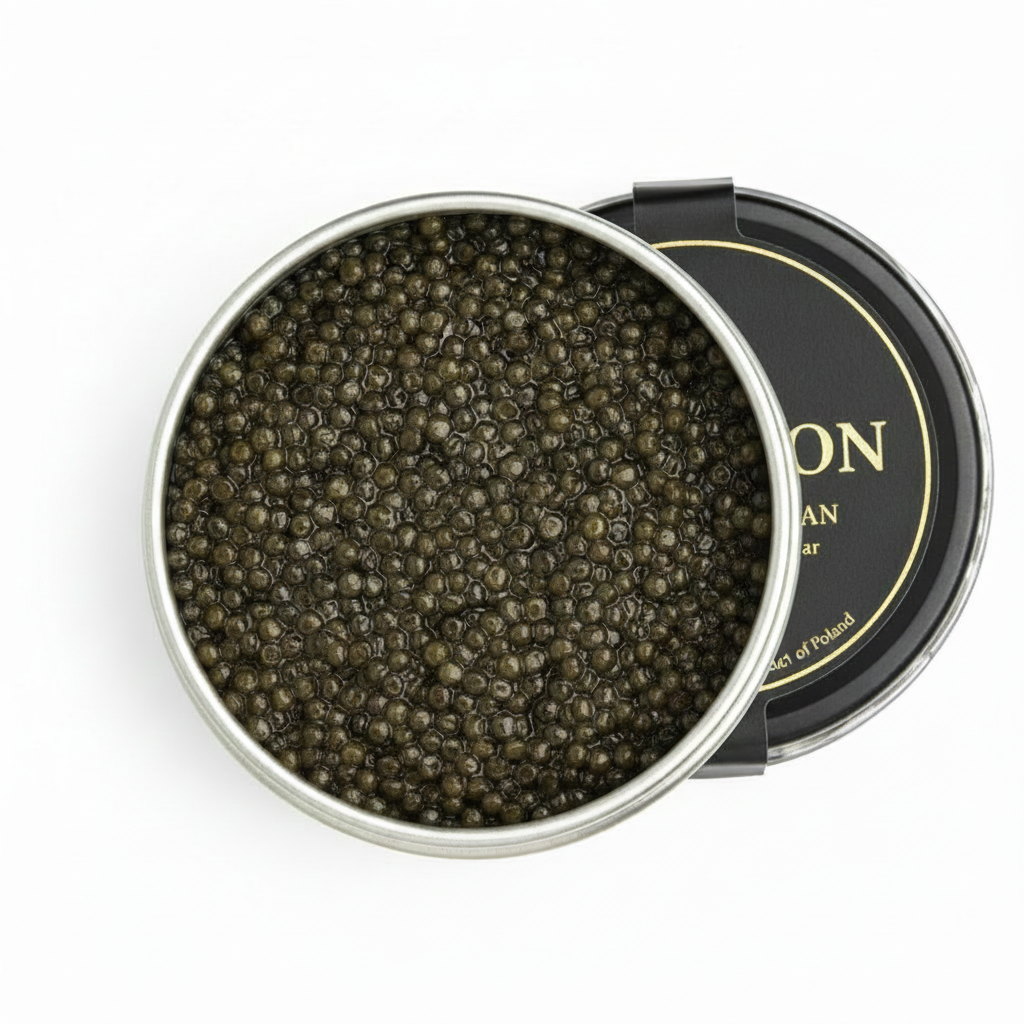
The spoon should not change the flavour
Mother-of-pearl is used for caviar because it is chemically inert: its smooth, non-porous surface does not react with the roe or introduce another flavour. A neutral spoon lets the caviar’s texture, salinity and finish speak for themselves.
Mother-of-pearl is the traditional choice for spoon service. Its neutrality is particularly useful when tasting a small portion on its own, before adding a blini or another accompaniment. Our White Sturgeon, Siberian, Kaluga and Osetra selections each have a distinct texture and finish. The spoon stays in the background while the grain and flavour come forward.
Why reactive metals are discouraged
Trace reactive elements in metals can interact with compounds in sturgeon roe and create metallic off-notes. Sterling silver is among the materials to avoid. Stainless steel is also discouraged because it can impart a subtle metallic taste. Even a small competing note can obscure the buttery, nutty or mineral character of the caviar.
Gold-plated utensils are conditionally acceptable when the plating is intact. Exposed base metal is reactive, so the serving surface matters more than its appearance. Check that surface before service. A non-reactive material keeps attention on the roe’s initial brine, central flavour and finish rather than on a metallic note introduced by the utensil.
Suitable alternatives are already part of the tradition
Bone is an acceptable, historically common alternative to mother-of-pearl. Synthetic nacre is a modern equivalent. Ceramic is non-reactive and easy to sanitise. Wood is also suitable, although it may absorb flavours over time with repeated use. Choose a clean surface that will carry the roe without retaining or adding a competing flavour.
Use clean, dry, non-metallic utensils when accessing an opened tin as well as when serving it. A neutral material protects the tasting; a clean utensil supports careful handling each time the caviar is portioned. Keep the tin chilled throughout. How to Store Caviar covers refrigerated placement, sealed and opened shelf life, and handling between servings.
A neutral spoon makes comparison easier
Our Obsidian Siberian has a silky, balanced texture and a lingering nutty finish. Nero Pearl has larger creamy pearls, mild Mediterranean salinity and a clean oceanic close. Reserve Osetra combines a semi-firm pop with buttery, nutty and fruity notes. Kaluga Sovereign Reserve has extra-large firm grains, sweet brine and a long creamy finish.
Taste a small amount of each on its own to explore those contrasts. Compare grain integrity, aroma, salinity, texture and finish. Mother-of-pearl gives each selection a neutral starting point. After the first spoonful, add a simple accompaniment and notice how the paired bite changes the impression. Caviar Grading Systems explores the physical and sensory criteria behind that comparison.
The rest of the service remains simple
Keep the tin cold over crushed ice and open it immediately before service. Accompaniments belong on separate plates or a shared platter. Blinis, crème fraîche, plain potato and toast points bring a gentle contrast to the roe. Strong flavours can compete with it, so begin with a neutral taste before assembling a more layered bite.
Allow 7–10g per person for a tasting or 15–20g for an appetizer with accompaniments. In attended fine dining, a server portions the caviar; informal self-service can use individual mother-of-pearl spoons. Traditional Caviar Service Standards brings together portion sizes, chilled presentation and utensil choices. Keep the service simple enough for the eggs’ texture and flavour to remain clear.